
DON'T GUESS KNOW
THE #1 CAUSE OF INTERNAL FLOODING
THE COSTLY HIDDEN DANGER INSIDE YOUR HOME YOU MAY NEVER SEE COMING
Flexi Hoses are found throught out your home, but what you can see from the outside may not tell you everything you need to know
A VISUAL INSPECTION HAS VALUE, BUT IS IT ENOUGH ON ITS OWN?
DONT GUESS KNOW
YOU’VE PROBABLY SEEN A FLEXI HOSE.
BUT DO YOU ACTUALLY KNOW WHAT’S INSIDE YOURS?
IN THIS SHORT VIDEO — PART 1 OF 2:
Rubber or PEX? • Age • Installation Date • Service Life • When to Take Action • And Why “It Looks Fine” May Not Be Enough
A BURST FLEXI HOSE CAN REALESE UPTO 600 LITRES PER HOUR, WHILE YOU ARE ASLEEP AT WORK OR ON HOLIDAYS, SILENTLY AGGRESSIVELY AND WITH OUT MERCY

Flooding
Your home

Damaging
Floors, furniture
& walls

Costing
Tens of thousands of dollars

Disrupting
Your life for weeks or months

Insurance?
Partially covered
Covered
Claim declined
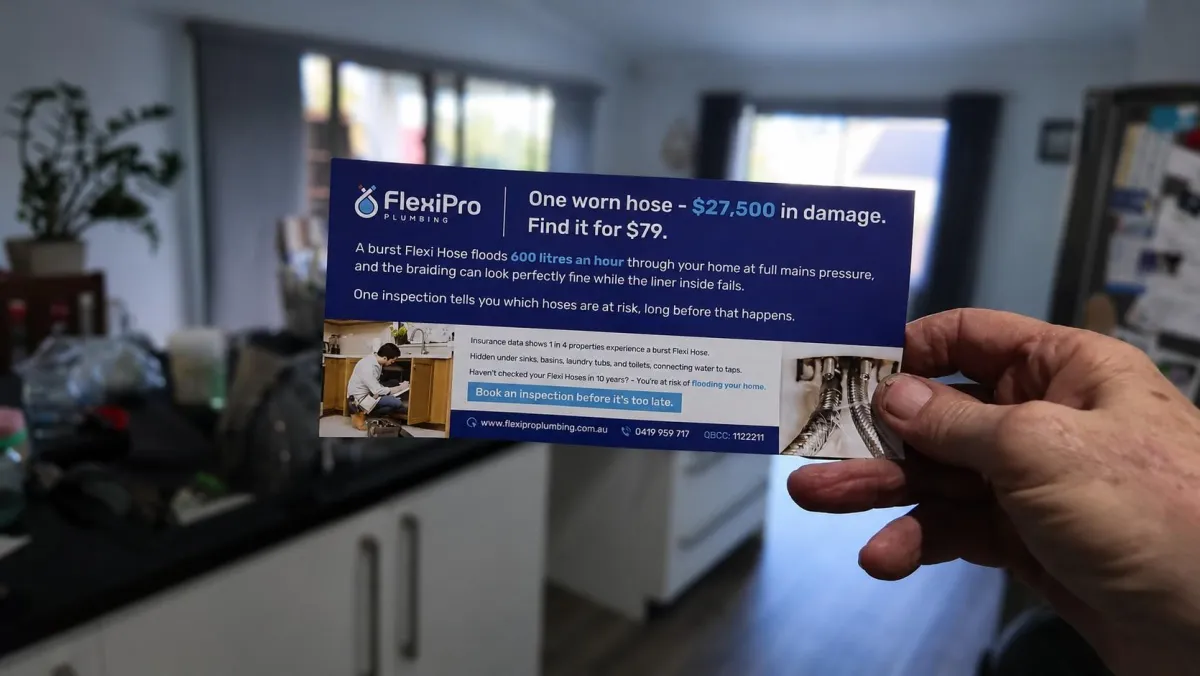
Buderim home owner received a post card in the mail. Placed it on the fridge and was going to get around to booking an inspection.
Then this same home owner experienced a burst before they got around to making the booking - Releasing upto 600 litres per hour - Volume +
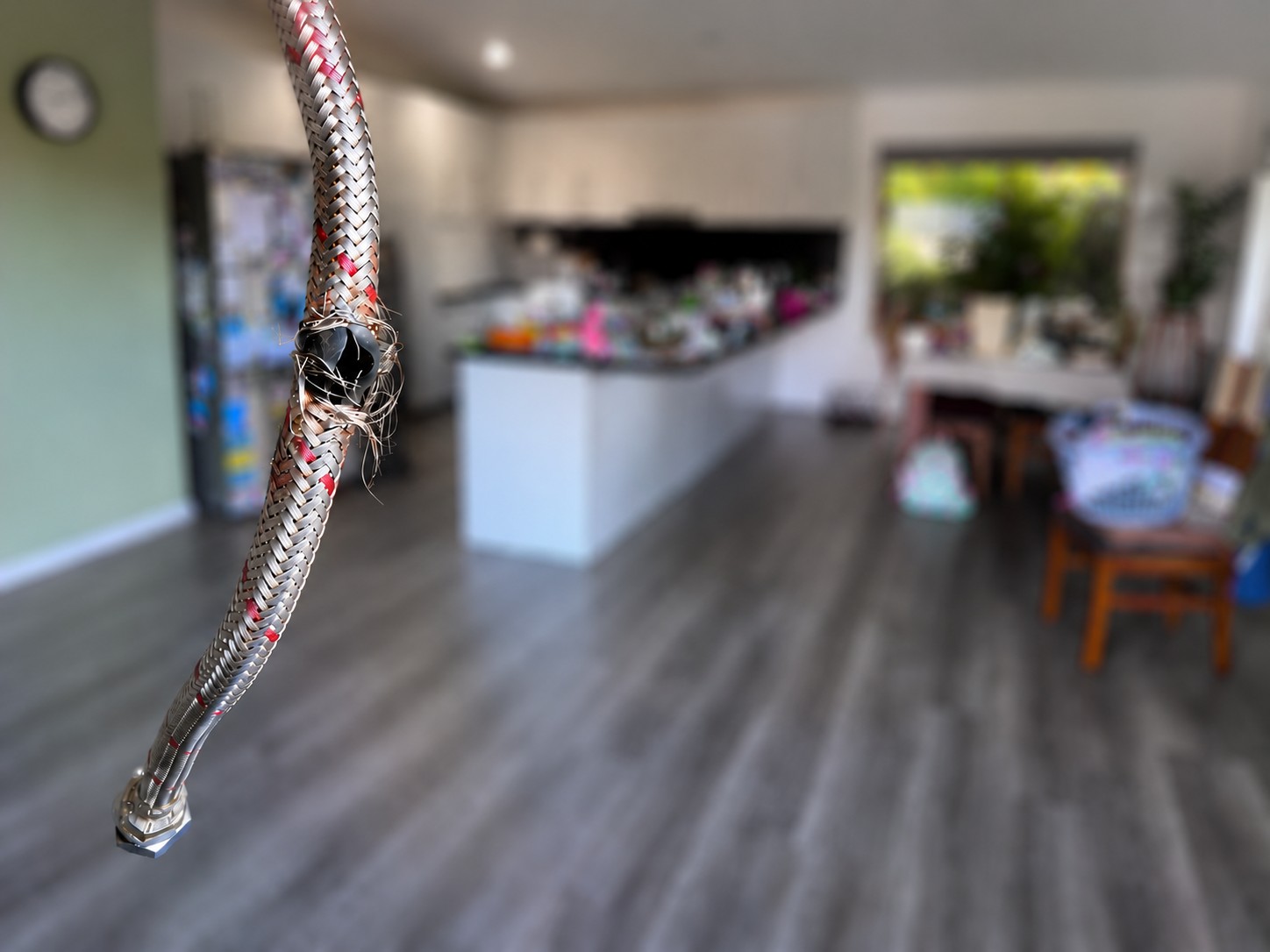
Actual site visit pictures. Kitchen sink mixer hose blew out while owners were out shopping. August 2026
Don't treat this landing page the same way as the post card and wait for a failure to make the decision for you.
This issue is real and happens regularly, and the data below proves it. Don't become a statistic.
THE HIDDEN DANGER
Why Flexi Hoses matter
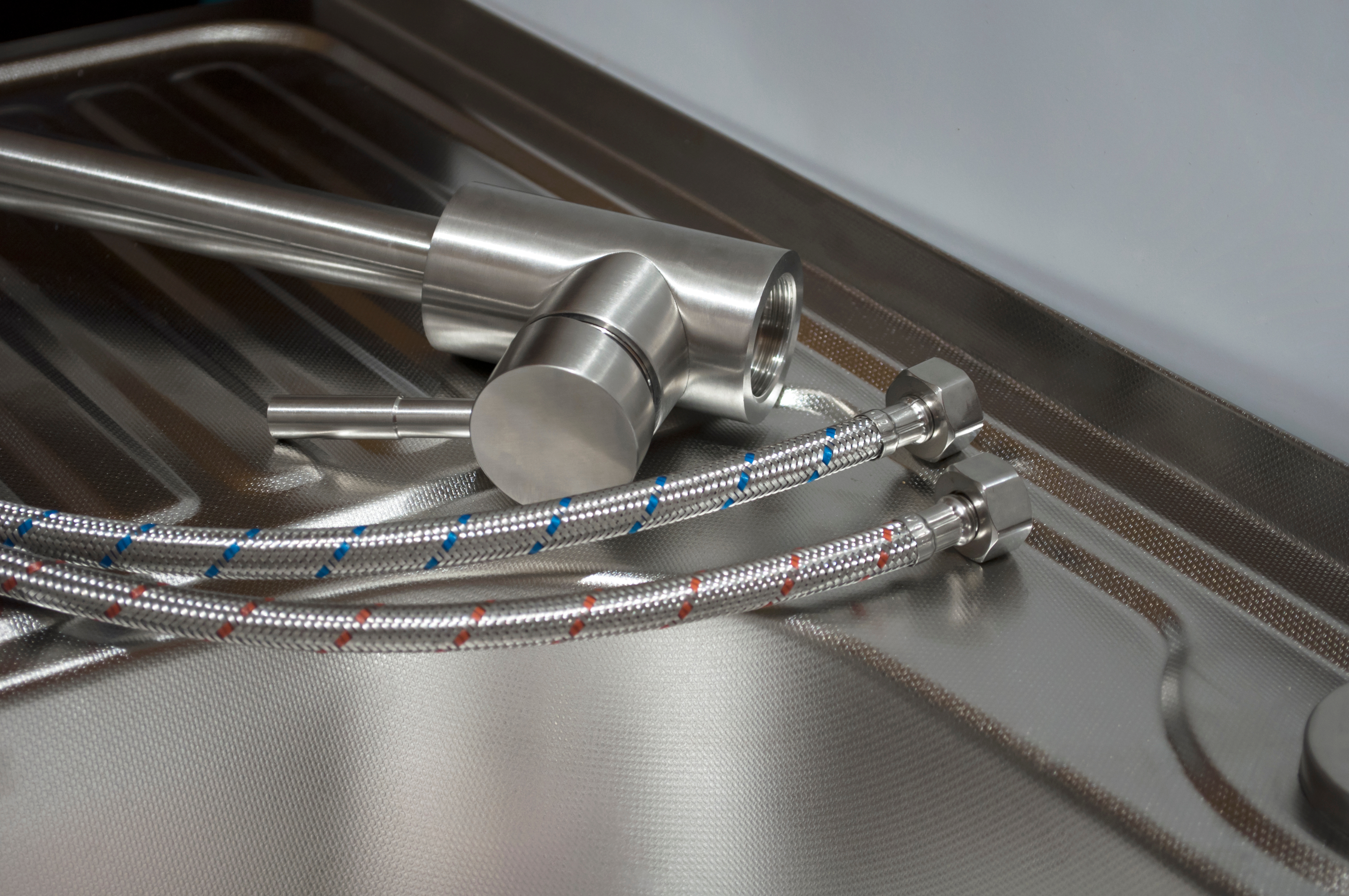
Flexi hoses are small, inexpensive parts — but they cause more internal water damage than any other plumbing component.
Found under kitchen sinks, laundry troughs, basins and toilets.
A burst hose can flood a home in minutes. Insurance claims are stressful, slow, and often only partially covered. Most failures are preventable with a simple inspection.
The Numbers Tell the Story
and the Proof Is Hard to Ignore
$30,000
Average claim
1 in 4
Homes affected by a burst hose
600L/hr
Released at full mains pressure
50%
Wrongly assume they're covered by Insurance
THE EVIDENCE
Not All Flexi Hoses Are The Same
Whats inside matters
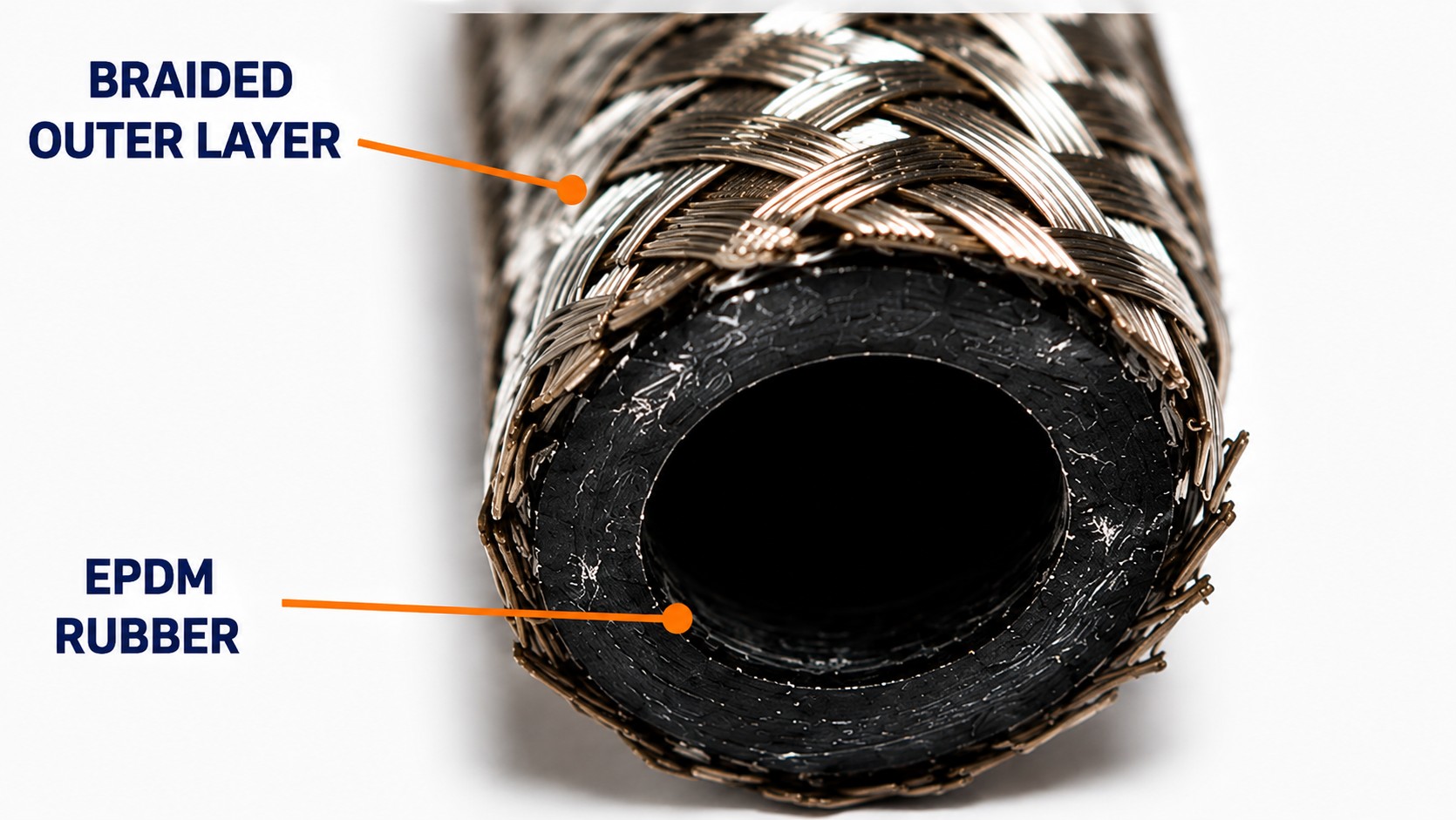
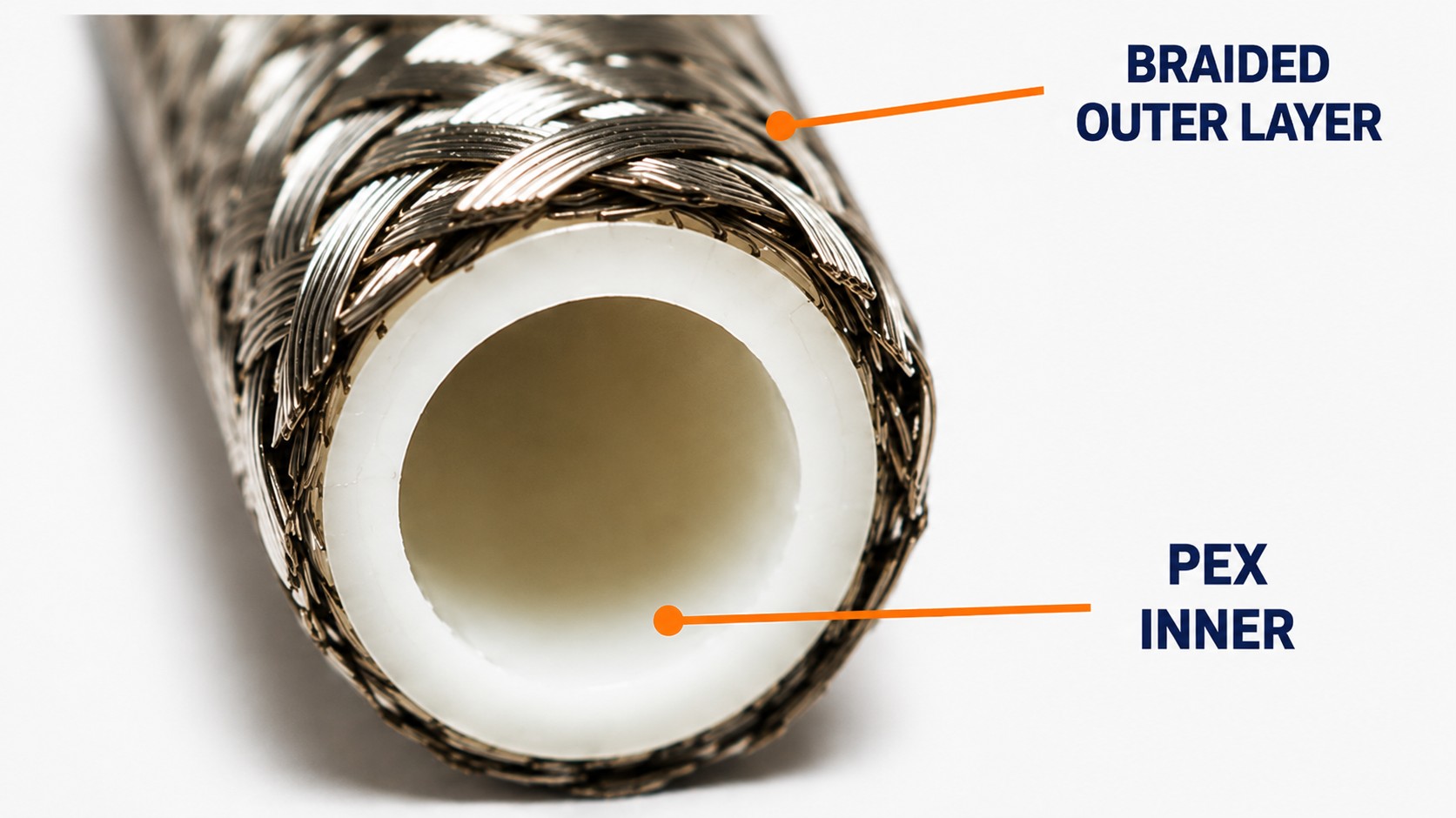
Rubber - Lined:
Typically 10 year warranty - Traditional construction widely used for many years. Now likely out of warranty.
PEX - Lined:
Typically 15 year warranty. Used in a range of newer Flexi Hose products.
Here’s what actually happens inside a failing Flexi Hose
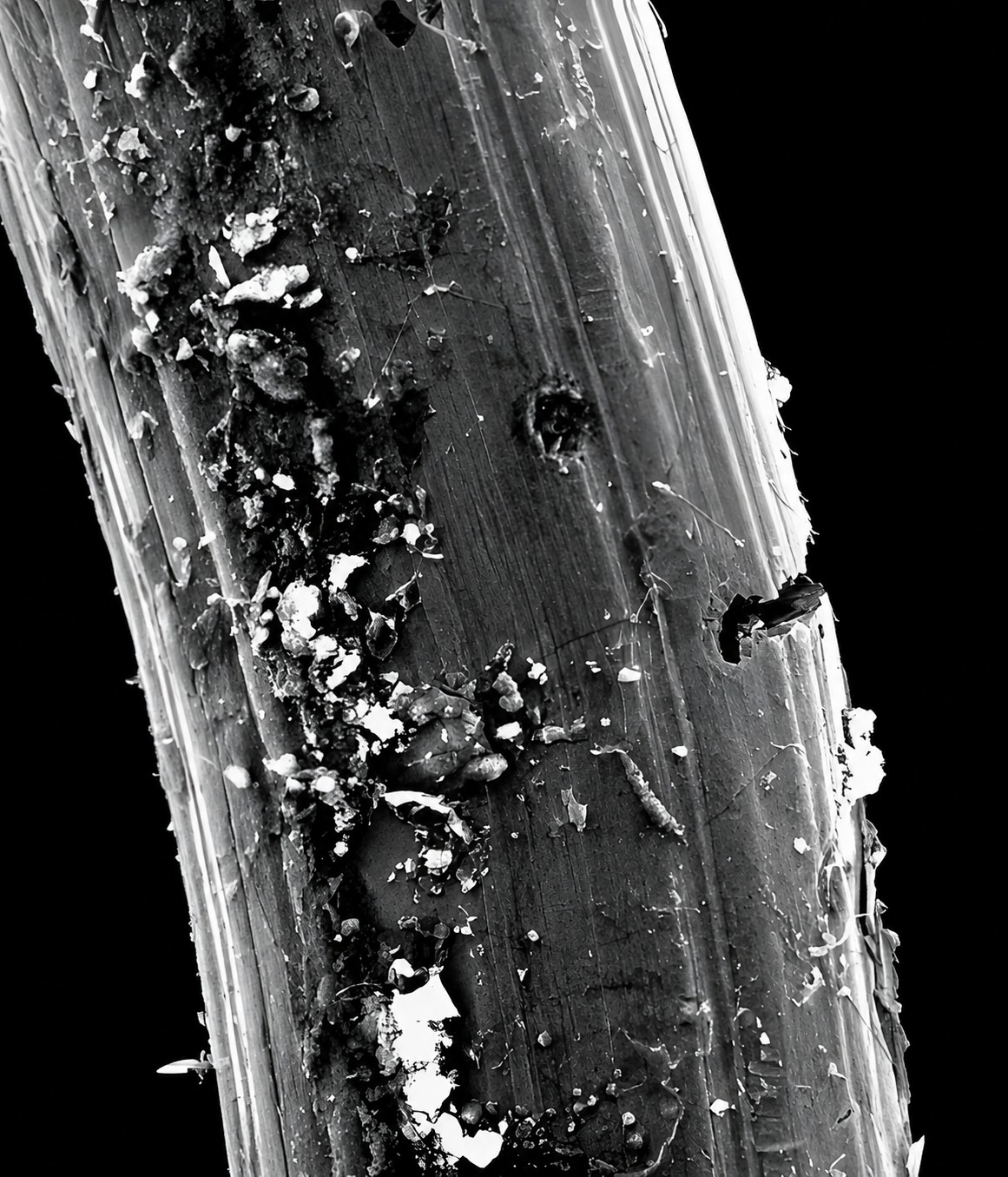
The prestegious Massachusetts Institute of Technology (MIT) research confirms internal deterioration begins long before external signs appear.
A hose can look fine and still be days away from bursting. (Hose picture from MIT report).
Visual inspection cannot detect internal rubber creep, thinning, or chemical degradation.
Rust often forms out of sight — on the underside or rear of the hose.
RISK ASSESSMENT
Where does your property sit?
Most homeowners are shocked when they learn their true risk level.”
HIGH TO EXTREME RISK
Install dates unknown
Hoses over 5 years old
No maintenance history
No documentation for insurer
Moderate Risk
Install dates known
Approaching or past warranty
Visible wear or age concerns
Replacement should be planned
Protected
Recently installed certified hoses
Documented warranty periods
Regular inspections scheduled
Evidence of proactive maintenance
In short - if your Flexi Hoses are rubber lined approaching, or over 10 years old, you are in the high to extreme risk zone
INSURANCE
Why MAINTENANCE AND EVIDENCE matters
A BURST FLEXI HOSE CAN LEAVE MORE QUESTIONS THAN WATER.
The water may be stopped quickly. The questions that follow may not be so easy to resolve.
What if part of your kitchen cabinetry is damaged? If the original materials can't be matched, does the scope of repairs extend to the rest of an L-shaped kitchen — or a matching island bench?
What if timber flooring flows through into adjoining rooms?
If the existing flooring is discontinued or can't readily be matched, how far will the repairs extend?
And what if water has travelled somewhere you can't see?
Hidden moisture can mean additional drying, further repairs and potential ongoing mould concerns.
These are questions many homeowners may never have had reason to think about — until they're dealing with the aftermath.
AND THEN THERE'S THE INSURANCE OUTCOME.
Suncorp Insurance research found:
“Half of Australians (50 per cent) incorrectly believe that if their home was flooded or damaged by water as a result of a burst flexi-hose, if the hose wasn’t properly maintained – and showed signs of wear, tear, rust and/or corrosion, that their insurer would still cover the cost of all repairs and replacements.”
Source: Suncorp Insurance Flexi Hose research, 2023.
That's an important distinction.
Having insurance doesn't necessarily mean everything associated with a Flexi Hose event will automatically be covered or replaced.
Even where a claim is accepted, questions can remain around what gets repaired or replaced, matching materials, undamaged adjoining areas, policy limits, your excess and potential out-of-pocket costs. What is and isn't covered will depend on your individual policy and the circumstances of the claim.
“I'LL WORRY ABOUT IT IF IT HAPPENS. I'VE GOT INSURANCE.”
It's an understandable way to look at it.
BUT WHAT DOES “IF IT HAPPENS” ACTUALLY LOOK LIKE?
Insurance may help with a covered loss. It doesn't necessarily remove the experience of going through it.
There may still be multiple trades to coordinate, materials to source, rooms that can't be used and repairs that take time to complete.
And if the damage means you can't remain in your home while repairs are underway, there's another practical question:
WHERE WILL YOU STAY — AND FOR HOW LONG?
Suitable temporary accommodation may not always be available exactly where or when you need it — particularly if you need to stay close to work, school, family or other commitments. Rental is scarce.
Likewise, trades and materials may not always be available immediately. Even after the water is gone and the insurance process has begun, getting your home repaired and your life back to normal can take time. And that's before considering the inconvenience and stress of living through it.
**THE HOSE MAY BE THE SIMPLE PART. THE AFTERMATH MAY NOT BE.**
None of this means every Flexi Hose is about to fail. And it doesn't mean you need to decide today that every Flexi Hose in your home needs replacing. It simply gives you something you may not have had before — a reason to find out what you've actually got.
Rather than waiting for a failure to answer these questions for you:
ALL OF THIS UNCERTAINTY CAN BE AVOIDED
FIND OUT WHAT YOU'VE GOT.
UNDERSTAND WHAT IT MEANS.
THEN MAKE AN INFORMED DECISION.
DON'T GUESS, KNOW AND UNDERSTAND THE RISK NOW. NOT AFTER IT BURST HAPPENS

Knowing your Flexi Hoses are good condition is important and documentation becomes your evidence — for insurance, compliance, and peace of mind.”
WHAT INSURERS MAY ASK
When was the hose last replaced?
Was it past warranty?
Was it inspected?
Was it documented?
What FlexiPro provides
Installation date records
Photos of fixtures
Notes for fixtures where valves cannot be installed
Clear documentation for future claim reviews
This protects you if you ever need to make a claim.
KNOW WHAT YOU’VE GOT. UNDERSTAND WHAT IT MEANS.
WHY FLEXIPRO INSPECTS HOSES
Our inspection isn’t about what a hose looks like — it’s about assessing the risk you can’t see.

YOUR FLEXI HOSES MAY LOOK FINE.
YOU MAY EVEN HAVE BEEN TOLD THEY ARE.
BUT IS THAT ENOUGH TO BE SURE — AND WHAT IF IT ISN’T?
IN THIS COMPREHENSIVE PART 2 VIDEO:
Rubber vs PEX • Installation Date • Age • When to Take Action • Research • Insurance Considerations & Must-Knows • What if a Hose Fails • Prevention
THE FLEXIPRO DIFFERENCE
Why a FlexiPro Plumbing inspection matters
Risk‑based assessment considering age, hose type, location, exposure, installation condition, and known failure patterns.

✔
Hose type
✔
Likely age
✔
Mixed-age risk, across the property
✔
Isolation valve presence
✔
Isolation valve feasibility
✔
High-risk fixtures
✔
Insurance-relevant details
✔
Your home's risk profile Install quality
EXPERIENCE THAT SHAPES THE FLEXIPRO APPROACH
As a qualified and registered plumber, and an experienced building insurance assessor, I've seen Flexi Hose failures from both sides.
I've assessed the plumbing, documented the resulting damage, managed insurance claims, coordinated repairs and supported homeowners through the aftermath. And as we've discussed above, the consequences can extend well beyond replacing a failed hose.
That experience is one of the reasons I founded FlexiPro Plumbing.
I wanted to approach Flexi Hose risk differently — not simply from the perspective of what a plumber can see under the sink, but with an understanding of what can happen throughout the home if that hose fails.
That broader perspective shapes the way I assess Flexi Hoses, the information I provide homeowners and the recommendations I make.
BECAUSE REPLACING A FLEXI HOSE IS PLUMBING.
UNDERSTANDING AND MANAGING THE RISK IS SOMETHING MORE.
It's that broader experience that allows me to provide practical, informed advice — not simply about replacing a hose, but about helping you understand where you stand and what, if anything, you should consider doing next.
Helping homeowners understand that risk — and, where appropriate, act before they're dealing with the aftermath — is why FlexiPro Plumbing exists.
COMPLIANCE
Incorrect installation is one of the leading causes of premature hose failure.
Under Australian plumbing regulations, only a registered and licensed plumber is permitted to replace Flexi Hoses. Doing this yourself — or using an unlicensed person — can:
Breach the plumbing code
Void workmanship warranties
Complicate or invalidate an insurance claim
Lack of preventative risk management
Leave no documentation for insurers
2027 CODE CHANGE
WHAT'S COMING THAT WILL IMPACT ALL PROPERTY OWNERS
Major Plumbing Code Change — Effective 1 May 2027
Insurance and compliance requirements are tightening — and ageing Flexi Hoses are becoming a key risk factor.” and will require an isolation valve on any Flexi Hose replacements.
THIS MEANS
Every hose replacement will cost more
Older homes may require additional work
Replacing hoses now avoids mandatory upgrade costs later
YOU’VE GOT THE INFORMATION.
NOW FIND OUT WHAT YOU’VE GOT.
Understanding Flexi Hoses is one thing. Taking action and knowing what’s actually installed in your own property is what matters next.
If you’re unsure what’s inside your Flexi Hoses, how old they are, when they were installed or whether it may be time to take action, we can help you find out.
BOOK YOUR $99 FLEXI HOSE INSPECTION — OR HAVE A CHAT WITH STUART FIRST.
YOUR $99 ASSESSMENT FEE WON’T BE WASTED
If we recommend work following your assessment and you choose to proceed with the quoted FlexiPro Plumbing work, we’ll credit your $99 assessment fee towards that work, because peace of mind starts with knowing not guessing.
Importantly our aim is to help you prevent an escape of water event by first understanding what’s actually installed in your property, so that you can make an informed decision about what to do next.
“Find Out What You’ve Got”
Tell us a little about your property — we’ll take care of the rest.
Confirming their age helps us identify the hose type and other key factors so we can accurately assess your risk level — a simple, preventative step.”
No pressure, no obligation
just a quick safety check to protect your home.
BUILT FROM REAL EXPERIENCE
FLEXI PRO PLUMBING WASN'T CREATED TO COMPETE ON FLEXI HOSE REPLACEMENT.
IT WAS CREATED TO SET THE STANDARD FOR HOW FLEXI HOSE RISK SHOULD BE MANAGED.
ASSESS → IDENTIFY → INFORM → RECOMMEND → RESET → TAG → RECORD → TRACK
DON’T GUESS. KNOW



EDUCATE - PROTECT - MAINTAIN
Protecting Sunshine Coast properties from preventable water damage caused by Flexi Hose failure.
Licensed, certified, and insurance-aware.
QBCC: 1122211 ABN: 25 480 051 373
FlexiPro Plumbing. Copyright 2026. All rights reserved. Privacy Policy